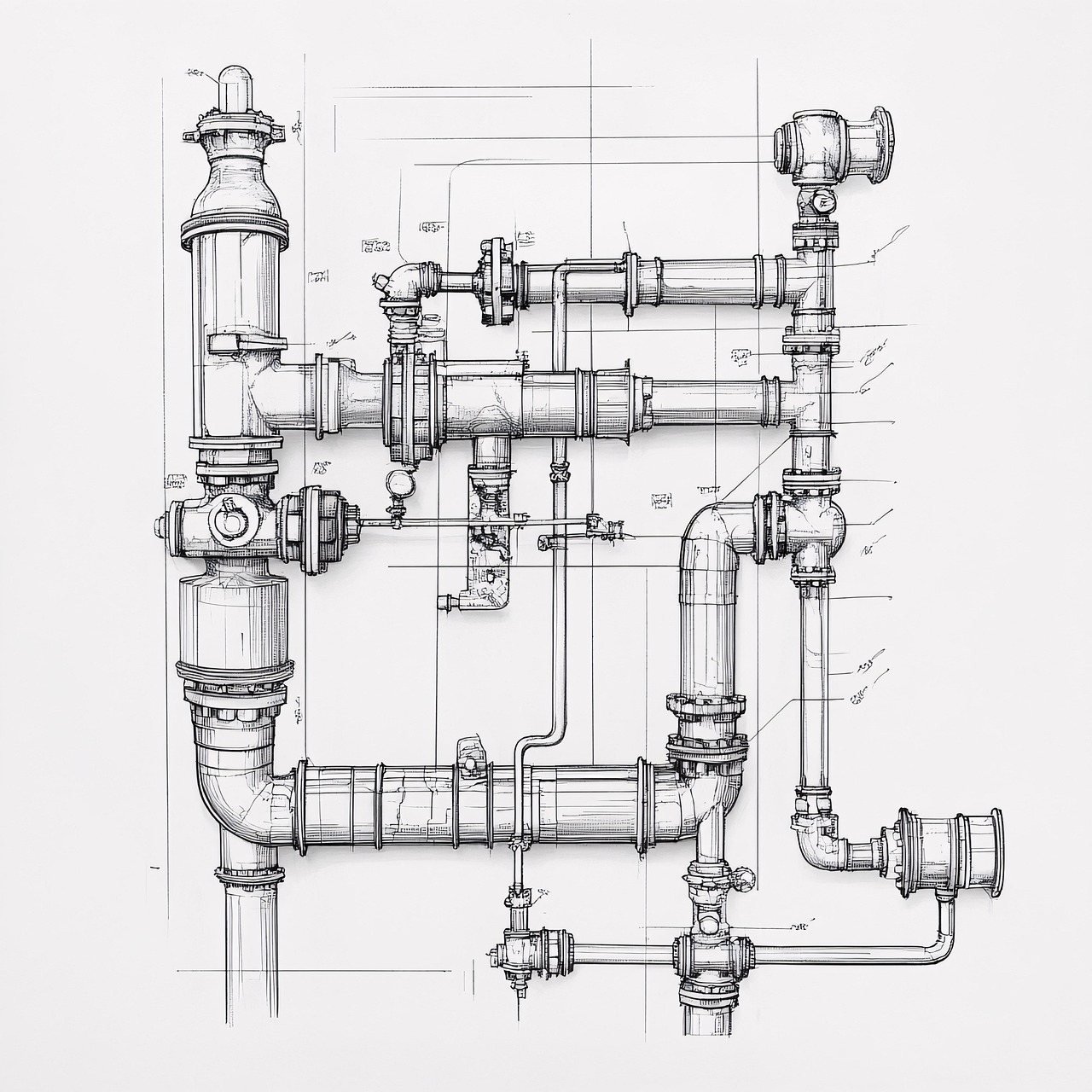
The Transformation Paradox Many organizations approach digital transformation as a procurement challenge: selecting the right software, cloud infrastructure, or AI integration to solve an immediate bottleneck. However, the most significant obstacles to long-term success are rarely technical in nature; they are systemic. When disparate business units deploy independent solutions, the result is often 'technological sprawl'—a fragmented ecosystem where data silos, incompatible systems, and mounting technical debt obscure the original intent of the transformation. For enterprise architects and leadership, the challenge is to move away from treating transformation as a series of projects and toward treating it as a continuous evolution of the enterprise ecosystem. This transition requires a fundamental shift in perspective. Instead of viewing each initiative as a standalone event with a discrete beginning and end, leadership must recognize that every new integration influences the long-term viability of the entire infrastructure. When projects are launched without a centralized, architectural oversight, the organization gradually loses its agility. The resulting complexity creates a hidden burden where maintenance cycles consume resources that would otherwise be directed toward innovation. [Note: Verification of specific industry-wide failure rates for digital transformations is recommended, as estimates vary significantly in academic literature.] ## Moving Beyond the Project Mindset Digital transformation is effectively an exercise in complex systems engineering. To ensure sustainability, the enterprise architecture must serve as an abstraction layer that enables human insight to govern technology, rather than allowing technology to dictate business logic. At Avigdor, we view this as a core integration challenge. The objective is not merely to optimize a single workflow but to ensure that each technological layer—from data management to agentic information foundations like the Swiss Agent Core—interacts with the existing infrastructure in a way that increases overall system resilience. By focusing on the structural relationships between these layers, architects can ensure that the enterprise operates as a unified entity. This approach requires constant vigilance and a deep understanding of how disparate components communicate. It is about creating a deliberate, intentional design that accommodates future growth while maintaining current stability, ensuring that no single component becomes a liability for the collective whole. ## The Role of Decision Intelligence Sustainability in transformation relies on the ability to make sound decisions under uncertainty. Enterprise architecture provides the structural data needed for effective Decision Intelligence. By mapping the interdependencies between human processes and technical systems, architects can: * Identify single points of failure within legacy infrastructure. * Evaluate alternative investment paths based on measurable technical performance rather than speculative gains. * Ensure that data flow supports business outcomes rather than just increasing storage capacity. Decision Intelligence hinges on the availability of accurate, real-time architectural insights. When leaders have access to these mappings, they can navigate the uncertainty inherent in large-scale technological shifts. This enables more informed resource allocation and reduces the likelihood of reactionary spending that often characterizes disconnected organizational structures. ## Toward Adaptive Infrastructure True digital maturity involves building an environment that is 'always-on' and inherently adaptable. Whether addressing grid stability through solutions like EcoGrid or managing geospatial intelligence with systems like SkyDrift, the architectural principles remain constant: modularity, interoperability, and visibility. Transformation is not a destination; it is the iterative process of balancing technological advancement with the realities of organizational constraints. By prioritizing robust architecture today, organizations create the latitude necessary to adopt tomorrow's innovations without dismantling the progress made yesterday. An adaptive infrastructure is not just about keeping pace with new tools but about ensuring those tools integrate seamlessly. Modularity allows organizations to swap or upgrade components without compromising the stability of the entire enterprise. Interoperability ensures that data moves freely across boundaries, while visibility allows architects to monitor the health and performance of the ecosystem constantly. ## Conclusion Sustainable transformation requires a departure from monolithic, high-risk migrations. Instead, enterprise architects must focus on the deliberate integration of technology into a cohesive, manageable, and scalable whole. By focusing on the problem-space—understanding the unique complexities of the organization—we can build systems that do not just perform, but endure. This is the ultimate goal of enterprise architecture: to create a legacy of resilience that empowers the organization to evolve continually in response to internal needs and external demands, regardless of how the landscape of digital innovation may shift.