
Architecting Intent: Why the Discover Phase is the Foundation of System Resilience
Complex infrastructure and enterprise systems often fail not due to technical flaws, but due to a misalignment between mission objectives and implementation. The Discover phase is the critical, evidence-based rigor required to reconcile human intent with operational reality before a single line of code is written.
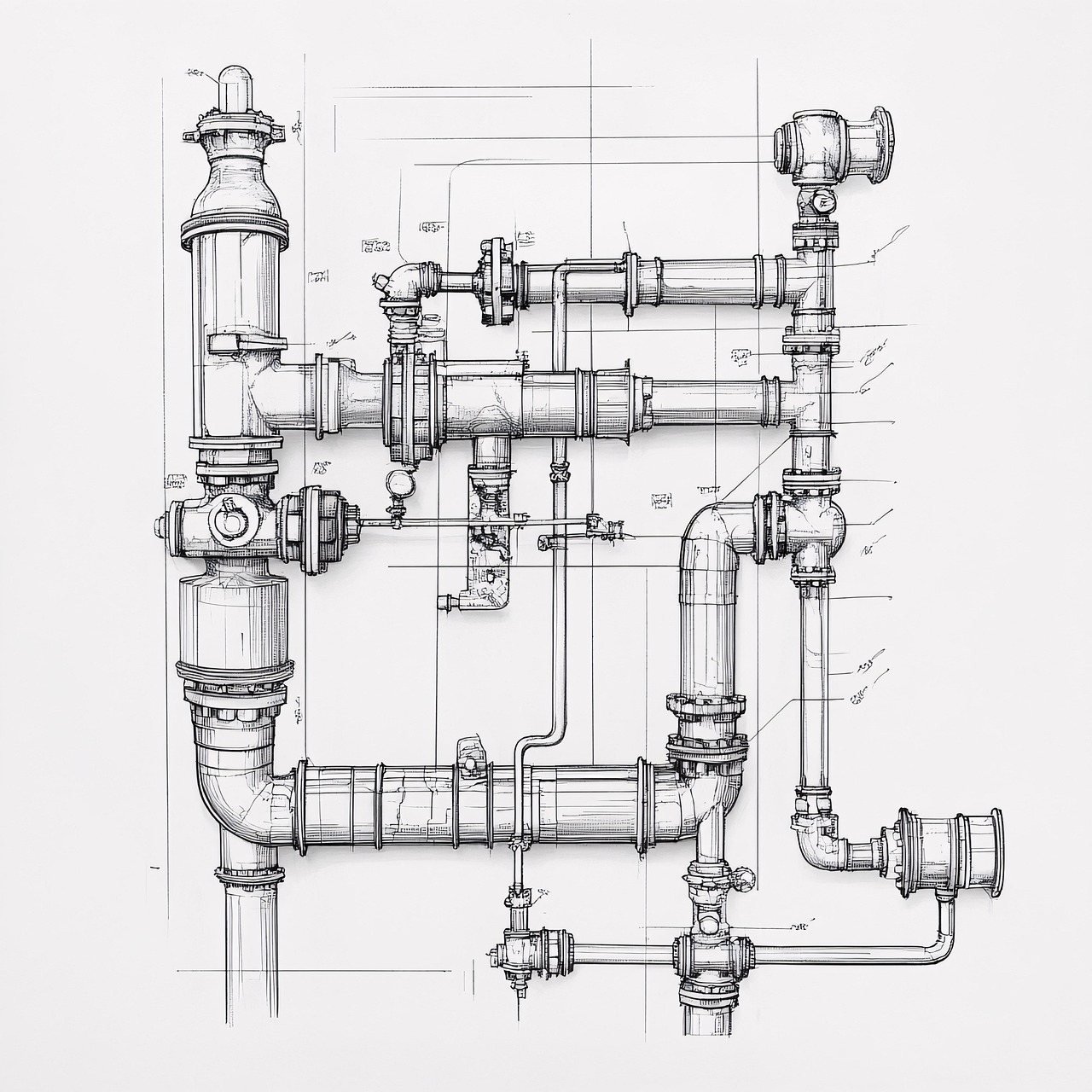
Image by Vilkasss on Pixabay
The Cost of Misalignment in Complex Systems
In high-stakes environments—whether managing critical infrastructure, governing state-level digital transitions, or architecting large-scale enterprise systems—technical failure is rarely a result of hardware incapacity or software bugginess alone. More frequently, failure is the result of architectural misalignment. When engineering teams optimize for metrics that do not directly map to mission-critical objectives, the resulting systems often lack the resilience required for real-world operations.
For technical architects and program leaders, the primary challenge is not the identification of available technology, but the narrowing of a vast solution space to one that fits the specific, immutable constraints of the mission. This is where the Discover phase—a disciplined, structured engagement with executive stakeholders—becomes a necessity rather than a procedural formality.
Establishing the Mission-Operational Baseline
Before systems engineering can begin, there must be a rigorous reconciliation of intent and constraint. The Discover phase acts as the primary analytical filter, designed to map three distinct layers of information:
- Mission Objectives: What are the fundamental, non-negotiable outcomes? This requires moving past abstract goals to define measurable operational requirements.
- Operational Constraints: What are the physical, legal, budgetary, or legacy system barriers that cannot be circumvented?
- Technology Landscape: What is the current maturity and interoperability of the existing ecosystem?
By engaging with executive stakeholders to document these variables, organizations can create a shared understanding that serves as the 'source of truth' for the entire project lifecycle. Without this foundation, architectural drift—where the solution incrementally moves away from the original intent—is statistically inevitable.
Moving from Data to Decision Intelligence
Data is a commodity; the ability to turn that data into a sound decision under uncertainty is the primary value proposition of successful enterprise architecture. The Discover phase provides the context necessary for this translation. When architects have a clear picture of strategic priorities, they can perform effective feasibility and alternatives analysis.
This is a process of disciplined elimination. By analyzing potential pathways against the mission objectives established in the Discover phase, teams can identify which technical investments are high-risk distractions and which are force multipliers. This requires an objective evaluation of feasibility: if a proposed technology requires a shift in infrastructure that the organization is not positioned to manage, it is flagged as a liability early in the cycle, saving significant resource expenditure later.
The Human-Centric Architecture
Technology is only as effective as the human systems it serves. A common pitfall in digital transformation is the failure to incorporate human insight into the engineering process. During the Discover phase, technical architects must move beyond system diagrams to understand the human-centric operational workflows of the people who will actually interact with the system.
This involves assessing how stakeholders perceive risk, how they interact with information, and where the current system creates cognitive load rather than clarity. When this human dimension is integrated into the architecture, the technology acts as a support layer rather than an obstruction. This is central to the concept of agentic information foundations, which aim to serve as a continuous intelligence layer—one that adaptively organizes information to suit the needs of the user rather than forcing the user to adapt to the limitations of the data structure.
Ensuring Alignment for Long-Term Resilience
Resilience in infrastructure is not a static property; it is an ongoing state of readiness. By documenting the strategic priorities and operational boundaries in the Discover phase, leaders create a roadmap that remains valid even when technical requirements shift. If an initial technology becomes obsolete or a constraint changes, the architectural foundation—built on the mission-critical objectives—remains intact, allowing for an agile response rather than a complete system overhaul.
For program leaders, the Discover phase is the most effective tool for managing scope and mitigating technical debt. By prioritizing shared understanding at the start, organizations reduce the likelihood of costly rework and ensure that every subsequent engineering effort is anchored to a specific, understood, and validated goal.