Beyond the Audit: Why Evidence-Based Assessment is the Foundation of Digital Resilience
Technical programs often fail not due to poor execution, but because they are built upon unverified assumptions. A rigorous assessment phase turns abstract operational data into a clear, actionable foundation for architectural evolution.

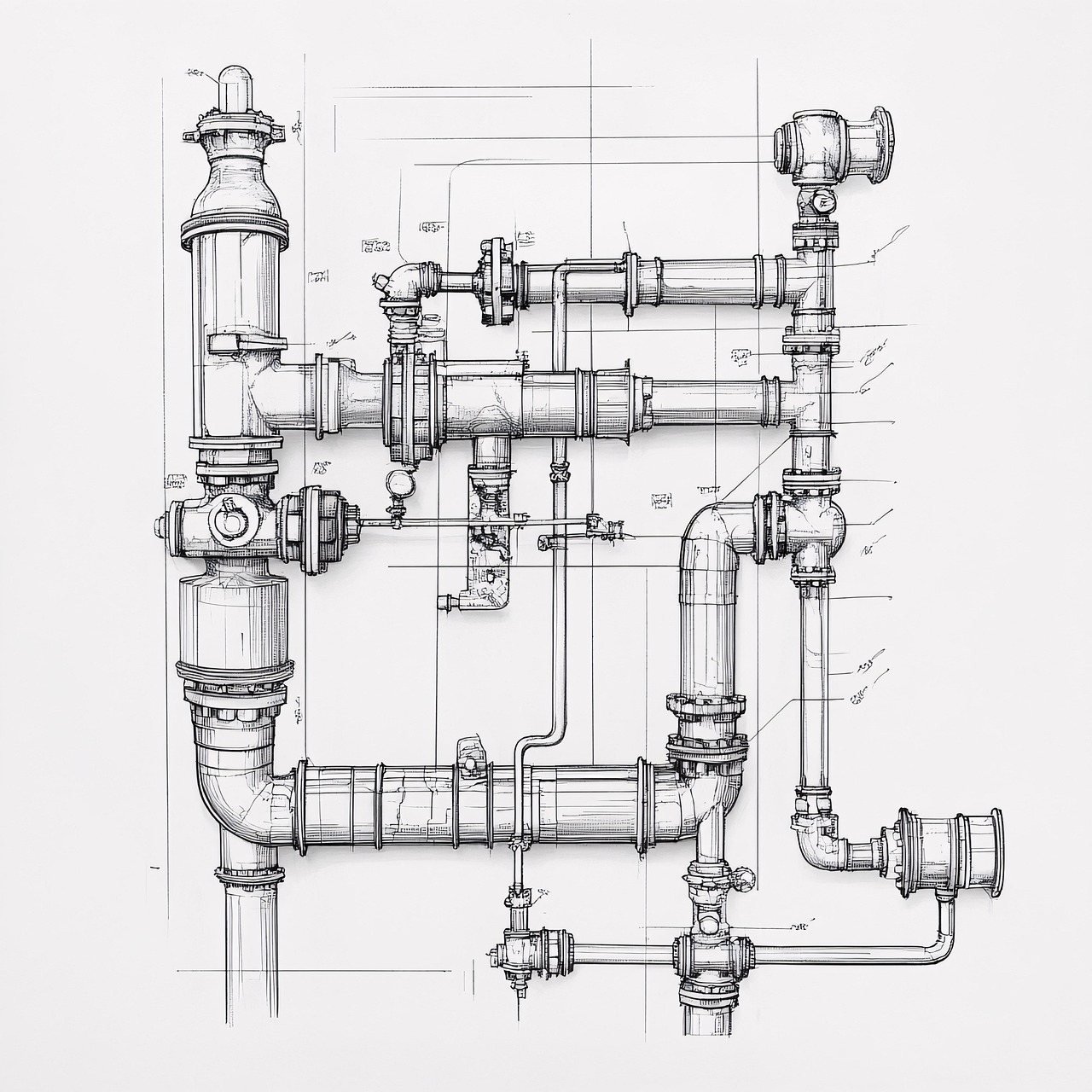
Image by geralt on Pixabay
The Hidden Cost of Assumptions
In complex enterprise environments, the greatest risk to a digital transformation program is not technological failure, but informational blindness. When architects and leaders initiate system modernization or infrastructure upgrades, they often operate based on legacy documentation, tribal knowledge, and outdated architectural diagrams. This discrepancy between the 'as-documented' state and the 'as-is' reality creates a persistent friction that delays delivery and compromises security.
To bridge this gap, organizations require a structured approach to the initial phase of any engagement: the Assess phase. Rather than serving as a simple administrative audit, a rigorous assessment is an analytical exercise designed to establish a verified baseline of current systems, data architectures, and operational workflows. It is the process of replacing subjective perception with empirical evidence.
The Architecture of an Evidence-Based Baseline
To understand where an organization stands, assessment must move beyond high-level strategy and address the technical substrate of the enterprise. This requires interrogating four primary dimensions of the organizational ecosystem:
- Data Architecture Integrity: Evaluating how information moves, is stored, and is accessed across disparate silos. Understanding the maturity of data governance is necessary to identify where automated intelligence layers, such as the Swiss Agent Core, might integrate without creating technical debt.
- Operational Workflow Mapping: Identifying the friction points between human processes and machine-driven outcomes. Many bottlenecks are not found in the code, but in the hand-offs between systems and the teams that support them.
- Security Posture and Resilience: Moving beyond compliance checklists to assess real-world resilience. This involves evaluating how critical infrastructure responds to failures and how effectively the system maintains integrity under stress.
- AI and Analytics Readiness: Determining if the organization’s current data infrastructure can support advanced analytical goals. An assessment must identify whether existing pipelines are sufficient for deployment or if foundational work is required to prepare data for modern intelligence models.
Transforming Analysis into Decision Intelligence
Data without context is noise. The primary goal of an assessment is to produce 'decision intelligence'—the ability to turn a collection of system data into actionable insights for decision-makers. When architects have a clear picture of their technical debt and system dependencies, the trade-offs between various technological alternatives become easier to quantify.
For example, during a feasibility and alternatives analysis, an organization might be faced with the choice between a monolithic system update or a microservices-based transition. Without a rigorous baseline of current interdependencies, this choice is often made based on industry trends rather than operational requirements. With a verified assessment, decision-makers can map these alternatives against the actual constraints of their existing architecture, ensuring that investments target the most critical gaps first.
Establishing a Sustainable Path Forward
Assessment is not a one-time event; it is a prerequisite for long-term digital maturity. In modern infrastructure management, such as the development of resilient systems like the EcoGrid, the ability to iterate is only as good as the system’s monitoring and diagnostic capabilities. An initial assessment establishes the benchmarks against which all future progress must be measured.
By focusing on evidence-based assessment, organizations can avoid the 'pilot trap'—where small, successful experiments fail to scale because they were not built with an understanding of the underlying enterprise complexity. The goal of this phase is to align human intent with technical reality, ensuring that any subsequent engineering work is rooted in a objective, transparent view of the enterprise.
Before initiating the next stage of technical advancement, leaders should ask: Do we have a validated understanding of our dependencies, or are we simply operating on legacy assumptions? The answer determines the success of the entire architectural lifecycle.
Comments
No comments yet. Be the first to start the conversation.