Mitigating Latency in Mission-Critical Systems: The Architecture of Orchestrated Automation
Manual, repetitive processes represent a significant point of failure in complex operations. By rethinking how we integrate systems and govern automated actions, organizations can reduce error rates and improve decision-making speed.

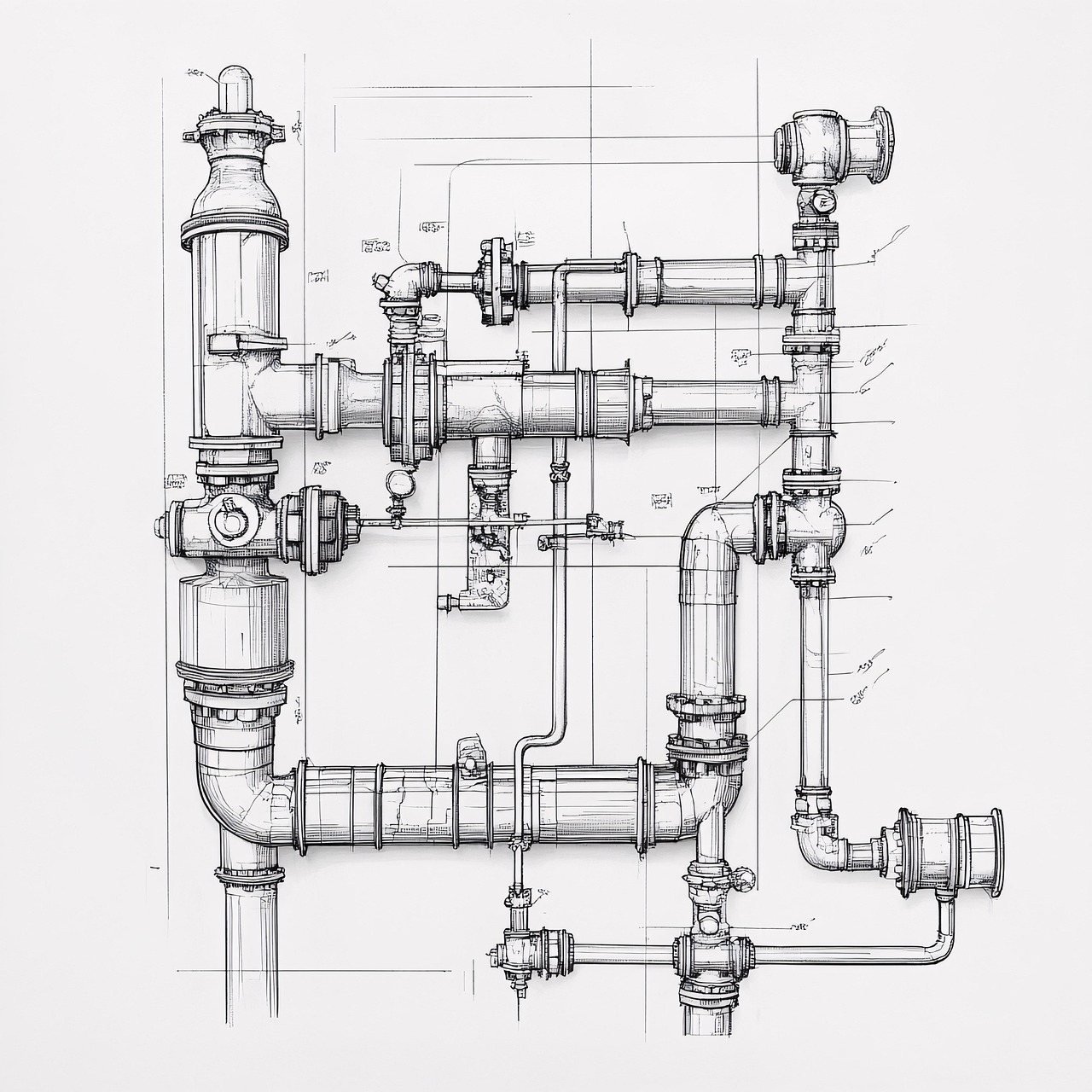
Image by Martinelle on Pixabay
The Hidden Cost of Manual Operational Interdependencies
In mission-critical environments—whether in infrastructure management, geospatial analysis, or large-scale logistical operations—the human element is often simultaneously the most vital and the most fragile component. When critical operations rely on manual, repetitive tasks to bridge the gap between disparate data streams, they introduce latency and human error into systems where the margin for failure is nearly zero.
This latency is not merely an efficiency problem; it is a structural risk. In complex systems, information often sits in silos, requiring manual data transformation or tool-switching to maintain flow. Every manual touchpoint is an opportunity for misinterpretation, delay, or process drift. For technical architects and program leaders, the challenge is shifting from managing individual tools to orchestrating a cohesive environment where information flows fluidly without requiring constant manual intervention.
The Architecture of Cognitive Latency
Cognitive latency occurs when the speed of decision-making is outpaced by the speed at which data must be reconciled. In many government and enterprise settings, this is addressed by layering more software tools onto existing legacy systems. This often exacerbates the problem, creating a fragmented landscape where engineers spend more time managing the 'seams' between technologies than addressing the core problem.
To move toward a more resilient architecture, we must distinguish between simple task automation—which merely speeds up a single step—and workflow orchestration. Orchestration implies a state-aware, governing layer that understands the context of the entire process rather than just the execution of a singular command.
Rethinking Workflow Integration
When addressing these bottlenecks, the focus must remain on the mission objective rather than the underlying software stack. A rigorous approach to workflow automation begins with three architectural pillars:
- Continuous Intelligence Layers: Rather than standalone AI products that function as "black boxes," an effective orchestration approach requires an agentic foundation. This layer serves as the connective tissue, maintaining state across the process and ensuring that information is current and actionable.
- Tool-Agnostic Connectivity: Modern enterprises rarely have the luxury of starting from scratch. Architecture must be designed to integrate with existing ecosystems. For example, by utilizing systems like SkyDrift, organizations can create better pathways between geospatial intelligence tools and operational platforms, effectively treating existing tools as nodes in a broader network rather than isolated silos.
- Embedded Governance: As processes move from manual to automated, the risk of unmonitored error increases. Automation without oversight is a liability. Systems like ShadowWave Core are designed to govern automated actions specifically for compliance and auditability, ensuring that every automated step is logged, verified, and traceable.
Balancing Human Insight with Machine Precision
Technology should not replace human insight in mission-critical environments; it should sharpen it. The goal of workflow automation is to strip away the repetitive, low-value "busy work" that clutters the cognitive capacity of operators. By automating the data reconciliation, routing, and verification phases of a workflow, we enable human leaders to focus on the "Decision Intelligence" aspect—evaluating alternatives and navigating uncertainty.
Rigorous systems engineering demands that we design for failure and auditability. If an automated workflow fails, the system must provide immediate visibility into why the failure occurred, what data was involved, and how the human-in-the-loop can intervene to remediate the issue. This creates a feedback loop that strengthens the system over time, rather than creating a rigid, brittle process that breaks when conditions change.
Strategic Considerations for Implementation
For leaders tasked with digital transformation, the shift to orchestrated workflows requires a disciplined focus on problem definition. Before implementing any automation layer, architects must map the actual process flow—not the theoretical flow.
- Identify the Latency Nodes: Where does data wait for a human to copy, paste, or reformat it?
- Assess Auditability: Does the current workflow have an immutable log of actions, or does it rely on manual verification?
- Define the Governance Perimeter: Where must a human decision-maker be explicitly required for legal, ethical, or safety reasons?
By addressing these questions through a structured engineering approach, organizations can build systems that are not only faster but fundamentally more reliable. In an era where data volumes continue to accelerate, the ability to automate with precision and govern with intent is the defining characteristic of a resilient enterprise.
Comments
No comments yet. Be the first to start the conversation.